Insights That Keep
You Moving Forward.
Explore the latest insights, industry news, safety tips, and innovations shaping the future of road safety.
Explore Our InsightsPedestrian Traffic Control in Work Zones: Planning for Sidewalks and Bike Lanes
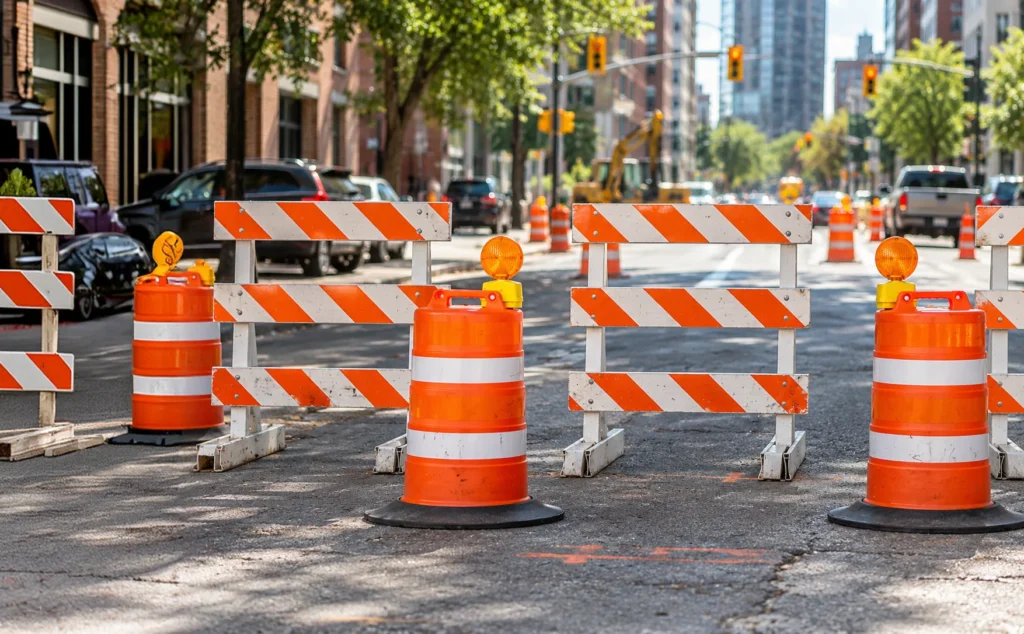
Pedestrian traffic control should be planned whenever construction, utility work, equipment, or temporary closures affect sidewalks, crosswalks, shared-use paths, pedestrian access, bike lanes, or other normal routes. Contractors should identify affected users, access points, temporary route changes, work vehicle movements, equipment staging, and applicable traffic control plan or agency requirements before field work begins. Planning…
Planning a Lane Closure? A Contractor’s Traffic Control Checklist
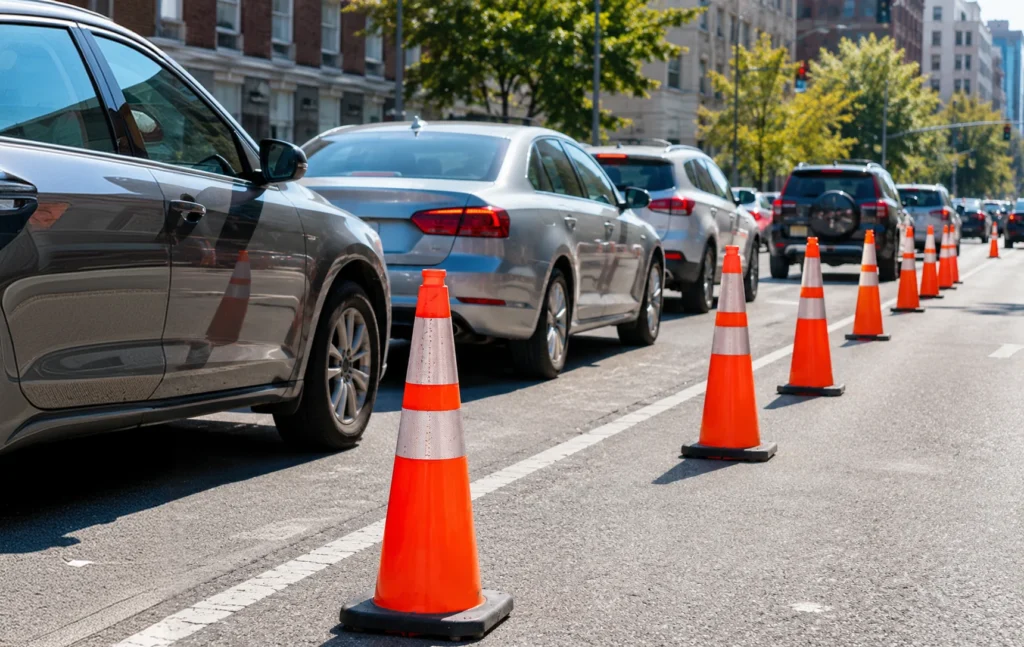
Before a lane closure begins, contractors should confirm roadway jurisdiction, permit and traffic control plan requirements, the work area, closure schedule, property and emergency access, pedestrian and bicycle impacts, equipment staging, and any required temporary traffic control resources. Exact lane closure requirements depend on the roadway, project, and agency with jurisdiction. Effective lane closure planning…
What Is an Encroachment Permit? How It Relates to a Traffic Control Plan
An encroachment permit generally authorizes qualifying work or activity within the applicable public right-of-way, while a traffic control plan explains how vehicles, pedestrians, bicyclists, workers, access, and other road users will be managed during that activity. A traffic control plan may be required as part of an encroachment permit application, but the two documents are…
Utility Traffic Control: Why Planning Should Start Early
Utility traffic control should be considered early whenever planned work may affect normal roadway use, pedestrian or bicycle movement, property access, or the public right-of-way. Early planning helps project teams identify possible lane closures, utility flagging, traffic control plans, permits, access needs, equipment requirements, and agency coordination before field work begins. Traffic control for utility…
What Does a Traffic Flagger Do? More Than a Stop/Slow Paddle
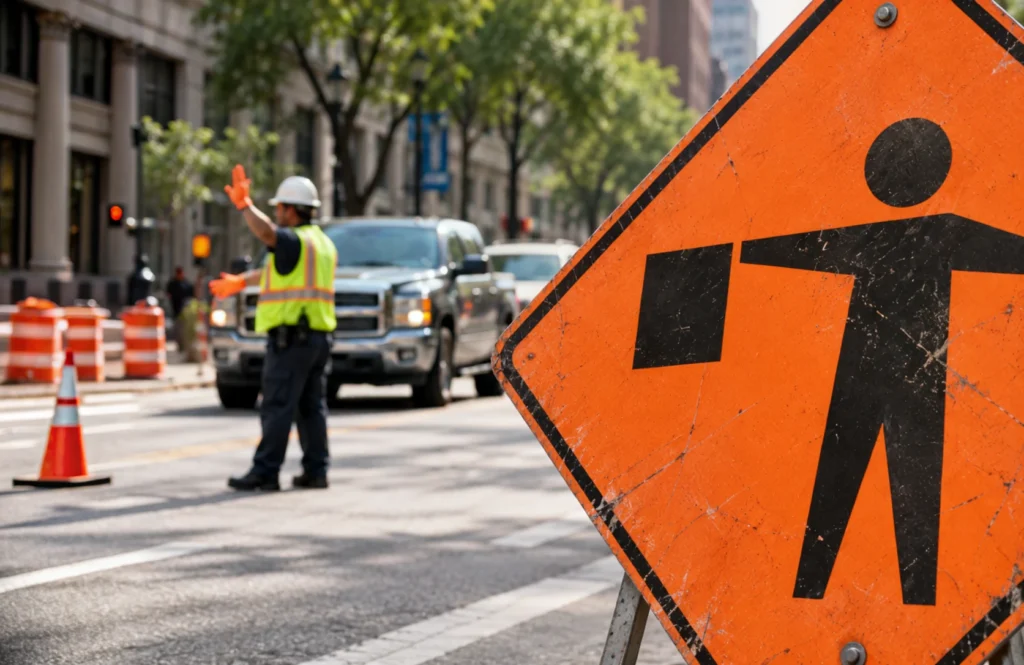
A traffic flagger helps control the movement of vehicles and other road users through or around a temporary traffic control area. The job involves much more than holding a STOP/SLOW paddle. Flaggers observe traffic and work-zone conditions, communicate instructions, coordinate with other flaggers and crews, and help manage traffic as conditions change. Traffic control flagging…
Lane Closure vs. Full Road Closure: What Determines the Right Approach?
A lane closure may be appropriate when traffic can move safely through the remaining roadway while enough space is maintained for workers, equipment, and the work area. A full road closure may be necessary when safe passage cannot be maintained, the work occupies the traveled way, or traffic must be redirected to another route. The…
When Is a Traffic Control Plan Required in California?
A traffic control plan is typically required when construction, maintenance, utility work, a lane or road closure, or a special event affects a public roadway or public right-of-way. The final requirement depends on the agency with jurisdiction and how the activity changes normal movement or access. Even a short operation may need a temporary traffic…